Where Is Warm in February? Winter Sun for Half Term, Ranked
Seventeen winter sun destinations ranked by official station averages for February: daytime highs, cold nights, rain and sunshine, plus NOAA's average sea temperature.
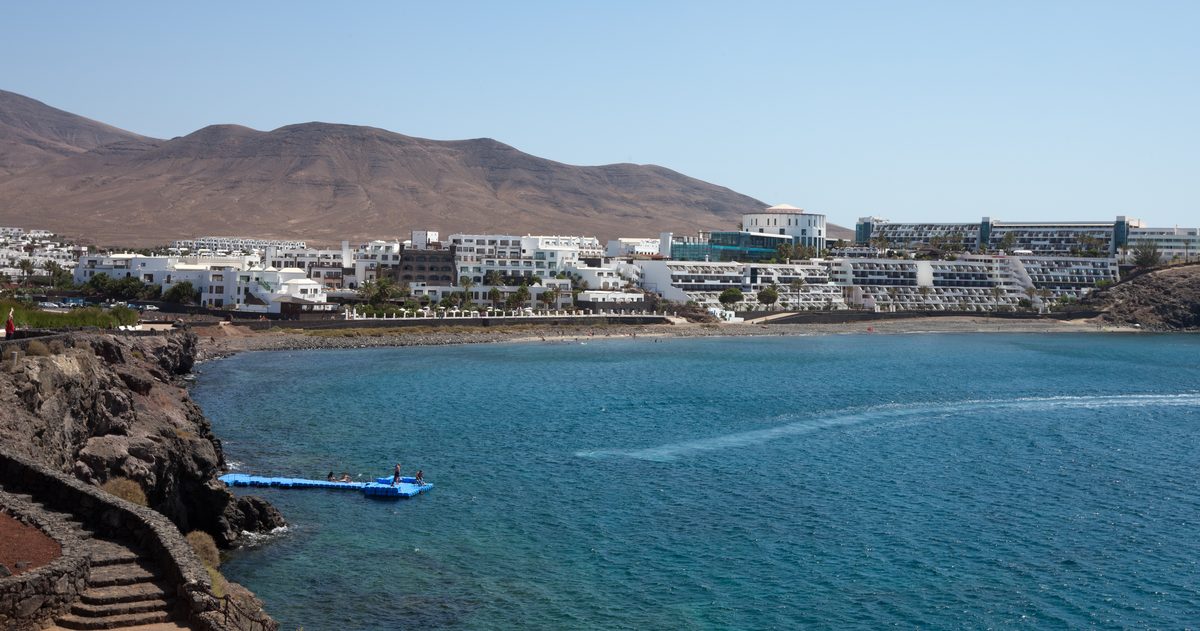
The warmest destination in this February winter sun ranking is Dubai, where the average daytime high is 26.1°C, followed by Cape Verde (24.9°C on Sal) and Egypt's Red Sea coast (23.6°C at Sharm el-Sheikh, 23.5°C at Hurghada). The south of Tenerife is the warmest of the Canary Islands at 22.9°C. Cyprus, Tunisia, Turkey and Benidorm are mild rather than hot in February, with highs of about 16 to 18°C, and Malta is cooler again, with a mean of 12.6°C.
Every air temperature, rain and sunshine average in the table is an official station normal from the national weather service, mostly at airports, so you know where each number was measured. They cover 1991-2020, except Malta: its high and low are 1961-1990 averages, and its rain and sunshine are the Malta MET Office's current climatic norm, for which the source states no period. Sea temperatures are not station readings but NOAA's 1991-2020 satellite-based averages for the nearest open sea. English school half term falls in mid-February: for the 2026-27 school year, Oxfordshire County Council and Luton Borough Council both list 15 to 19 February 2027, though some schools set their own dates.
Where is hottest in February? The full ranking
| Destination (station) | Avg high | Avg low | Rain | Sun | Sea | Verdict |
|---|---|---|---|---|---|---|
| Dubai (Dubai International) | 26.1°C | 16.4°C | 9.9 mm, n/a | 251 h | 21.5°C | Warmest and sunniest |
| Cape Verde (Sal airport) | 24.9°C | 18.8°C | 0.5 mm, 0.2 days | n/a | 22.0°C | Warmest nights, almost no rain |
| Sharm el-Sheikh (airport) | 23.6°C | 14.6°C | 0.1 mm, 0.1 days | n/a | 22.7°C | Dry, warmest sea |
| Hurghada (airport) | 23.5°C | 12.4°C | 0.5 mm, 0.0 days | n/a | 22.4°C | Warm days, cool evenings |
| Tenerife (Tenerife Sur airport) | 22.9°C | 15.0°C | 18.6 mm, 1.8 days | 219 h | 19.3°C | Best Canary bet, south coast |
| Lanzarote (airport) | 22.2°C | 13.8°C | 16.1 mm, 2.5 days | 209 h | 18.3°C | Sunny, cooler nights |
| Agadir, Morocco (Inezgane) | 22.0°C | 10.1°C | 28.6 mm, 2.7 days | n/a | 16.7°C | Warm days, chilly nights |
| Gran Canaria (airport) | 21.4°C | 15.6°C | 19.8 mm, 2.8 days | 195 h | 18.9°C | Mildest Canary nights |
| Fuerteventura (airport) | 21.2°C | 15.3°C | 10.0 mm, 1.9 days | 186 h | 18.3°C | Least rain of the Canaries |
| Marrakech (city station, 464 m) | 20.7°C | 7.6°C | 25.7 mm, 3.7 days | n/a | inland | Sightseeing, not sunbathing |
| Madeira (Funchal) | 19.9°C | 13.9°C | 72.4 mm, 5.5 days | n/a | 18.1°C | Mild but showery |
| Djerba, Tunisia | 18.0°C | 9.9°C | 17.9 mm, 2.8 days | n/a | 15.0°C | Spring-like |
| Benidorm (Alicante station) | 17.7°C | 7.2°C | 17.3 mm, 2.6 days | 206 h | 14.1°C | Sunny, cold evenings |
| Cyprus (Paphos airport) | 17.6°C | 8.5°C | 60.1 mm, n/a | 191 h | 16.7°C | Green, sometimes wet |
| Tunisia (Monastir) | 17.2°C | 9.0°C | 29.5 mm, 4.3 days | n/a | 14.9°C | Mild, not beach weather |
| Antalya, Turkey (airport) | 16.0°C | 6.5°C | 110.7 mm, 7.4 days | n/a | 16.9°C | Wettest on the list |
| Malta (Luqa, high and low 1961-1990) | 15.5°C | 9.3°C | 69 mm | 187 h | 15.4°C | Mild city break, older period |
How to read the table: highs, lows, rainfall and rain days (days with at least 1 mm) are the normals each national weather service submitted to the World Meteorological Organization, except Funchal (Portuguese weather service IPMA) and Malta. Malta's high and low are the Malta Meteorological Office's 1961-1990 averages for Luqa, the only official Malta set with separate day and night averages we could find online, so Malta is not strictly comparable; its rain and sunshine are the office's current climatic norm, which gives a monthly mean of 12.6°C. The rain-day counts filed for Cyprus and Dubai are not usable (Cyprus lists more rain days than some months have, and Dubai lists days with 1 mm or more in months whose average total is under 1 mm), so they show n/a. Sunshine is the average monthly total where the station reports it; n/a means no official figure. Sea temperature comes from NOAA's satellite and buoy analysis (OISST). Benidorm has no long-term station of its own, so we use Alicante, about 40 km down the coast.
Is Tenerife warm in February? The Canary Islands and Madeira
Yes, if you stay in the south. Tenerife Sur airport averages 22.9°C by day and 15.0°C at night, with 18.6 mm of rain on 1.8 days and 219 hours of sunshine, the most of any Canary airport. The north is a different holiday. Tenerife Los Rodeos airport, 632 m up near La Laguna, averages 16.7°C, 67.2 mm of rain on 6.9 days and 139 hours of sunshine in February. Santa Cruz on the north-east coast sits in between at 21.6°C. The summit area is colder again: Izaña observatory, at 2,371 m on the slopes of Teide, averages a high of 8.0°C.
Lanzarote (22.2°C) and Fuerteventura (21.2°C) are flatter and drier, with Fuerteventura averaging just 10.0 mm of February rain. Gran Canaria's airport station has the mildest nights of the group at 15.6°C. Across the Canaries the sea is 18 to 19°C, refreshing rather than warm.
Madeira is the mildest Atlantic option but not the driest. IPMA's Funchal normal for February is 19.9°C by day and 13.9°C at night with 72.4 mm of rain on 5.5 days, roughly four times the rainfall of southern Tenerife. Even so, temperatures stay remarkably even: the coldest February night Funchal recorded in 1991-2020 was 8.7°C, and the warmest February day reached 28.6°C on 24 February 2020.
Is Egypt hot in February? Red Sea, Dubai and Cape Verde
Warm by day, but not hot, and cooler after dark than many people expect. On the Egyptian Red Sea coast, Hurghada averages 23.5°C by day and 12.4°C at night, Sharm el-Sheikh 23.6°C and 14.6°C. Both are close to rainless, with well under 1 mm in an average February. The Red Sea is the warmest water on this list, about 22 to 23°C.
Dubai is the warmest choice at 26.1°C, with 16.4°C nights and 251 hours of sunshine, the most of any station here. It is not completely dry: Dubai International averages 9.9 mm of rain in February. Cape Verde is the most stable: Sal averages 24.9°C by day, 18.8°C at night and 0.5 mm of rain, so nights are noticeably warmer than in Egypt.
Is Morocco warm in February?
Agadir on the Atlantic coast reaches 22.0°C by day, as warm as Lanzarote, but nights fall to 10.1°C, so pack a jumper for evenings. Marrakech is a different trip. The city station sits at 464 m inland and averages 20.7°C by day and 7.6°C at night, with 3.7 rain days: pleasant for the souks and gardens, cold after sunset.
Tunisia is cooler by day. Monastir averages 17.2°C and Djerba, further south, 18.0°C, but nights of 9.0°C and 9.9°C are close to Agadir's and milder than Marrakech's, and the sea is around 15°C. For Hammamet, the nearest station, Nabeul, averages 16.4°C with 36.4 mm of rain on 5.7 days.
Is Malta warm in February? The Mediterranean options
Mild, not warm. The Malta MET Office puts February's climatic norm at a mean temperature of 12.6°C, with about 69 mm of rain and 187 hours of sunshine. Its older 1961-1990 averages for Luqa give 15.5°C by day and 9.3°C at night. Individual years vary: February 2024 averaged 14.3°C, 1.7°C above the norm, and February 2025 averaged 13.6°C and was 19.2 mm wetter than average. As of the MET Office's February 2024 summary, Malta's highest February temperature on record was 26.7°C, set in 1960. That makes Malta good for walking, history and Valletta, but not for sunbathing.
Cyprus is a little warmer: Paphos airport averages 17.6°C by day and 8.5°C at night, with 60.1 mm of rain but 191 hours of sunshine. Benidorm, using Alicante's station, reaches 17.7°C with 206 hours of sunshine, though nights drop to 7.2°C. Antalya is the outlier: 16.0°C with 110.7 mm of rain on 7.4 days, the wettest place on this list in February.
How should you check the forecast before you fly?
The averages above tell you what to pack and where to book. They cannot tell you what your week will be like: as Malta's 2024 and 2025 figures show, a single February can run well above or below the norm.
- When booking: use the climate averages and the gap between highs and lows. A 10°C gap, as in Agadir or Hurghada, means you need warm evening layers.
- Two weeks out: ignore day-by-day apps. Day-to-day detail becomes unreliable beyond about a week, as our guide to forecast accuracy by day explains.
- Five to seven days out: compare the models. Our destination pages show the main forecast models side by side, and when they disagree by several degrees, the forecast is less certain than any single app suggests.
- The day before: check wind and showers for the part of the island you are staying in, not the island as a whole.
For a warm, near-guaranteed half term, Dubai, Cape Verde and the Red Sea lead the ranking, with southern Tenerife and Lanzarote the closest short-haul alternatives. Malta, Cyprus, Tunisia, Turkey and Benidorm are mild spring weather in February: good for a break, not for a beach week.