The Best Time to Check the Forecast Before You Travel
One glance a week out isn't enough - here's a simple three-check routine timed to when forecasts actually get reliable.
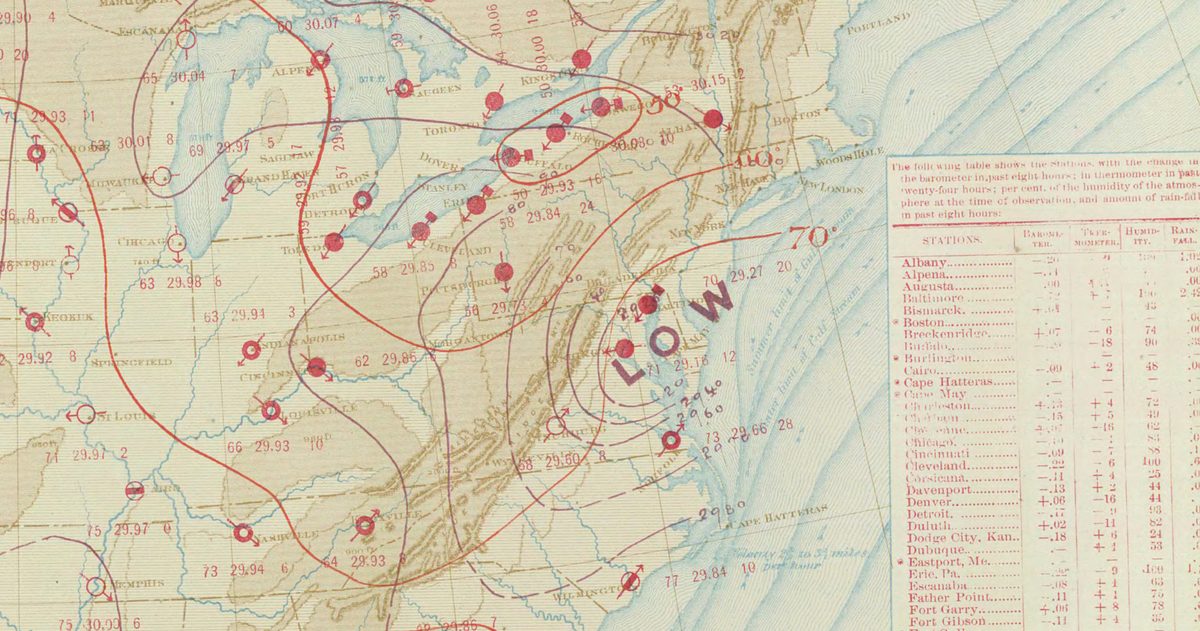
Check a 7-day forecast when you first plan a trip to spot big weather patterns, then check again 48 to 72 hours before you leave, when accuracy climbs sharply, and once more on the morning of departure for same-day hazards. NOAA notes that a five-day forecast is accurate about 90% of the time and a seven-day forecast about 80%, while forecasts beyond about ten days are right only around half the time.
When is a forecast accurate enough to trust?
Forecast skill drops off with distance in time. Short-range forecasts - inside three to five days - are reliable enough to plan around. Once you push past a week, you're looking at general trends, not firm predictions; and a 10-day-or-longer outlook is close to a coin flip. The practical takeaway: use the long-range view to anticipate, and the short-range view to decide.
The three-check travel timeline
You don't need to obsess over the forecast every day. Three well-timed checks cover almost every trip:
- 7 days out (planning check): Look for large-scale patterns - a storm system, a heat wave, a cold snap. Treat specifics loosely.
- 48 to 72 hours before (decision check): This is the sweet spot. Accuracy is high, timing sharpens, and there's still time to change flights, routes, or packing.
- Morning-of (hazard check): Catch fast-moving, same-day threats - icing, thunderstorms, dense fog, high wind - and check for active watches or warnings along your route.
How reliable is each forecast range?
| Range | Rough reliability | What to do with it |
|---|---|---|
| 1 to 3 days | Highest | Make firm decisions - book, pack, route. |
| 5 days | ~90% | Trust the pattern; expect minor timing shifts. |
| 7 days | ~80% | Good for planning; verify closer to the date. |
| 10+ days | ~50% | Trends only - don't lock plans to the details. |
The percentages above come from NOAA's public accuracy figures and describe general-forecast skill, not any single number.
Why does the 10-day forecast fool travelers?
Apps happily show a sunny icon 12 days out, and it looks just as authoritative as tomorrow's. But the atmosphere is chaotic - tiny errors in today's measurements grow over time, so far-out forecasts are essentially the model's best guess at a trend. Booking an outdoor wedding around a sunny icon two weeks away is planning on a coin flip. Use those long-range views to know a system might arrive, then re-check as it comes into the reliable window.
The same caution applies to a suspiciously perfect stretch. If the app shows ten straight days of identical sunny icons, that's usually a sign the forecast has run out of skill and defaulted to a bland average, not a promise of flawless weather. Real forecasts inside the reliable window have texture - changing temperatures, shifting wind, day-to-day variation. A flat, unchanging long-range strip is a cue to wait for a sharper picture before committing.
Does the type of trip change when you should check?
Yes. The three-check rhythm is the default, but weight it toward whatever your trip is most sensitive to:
- Flying: Wind, thunderstorms, snow, and low visibility drive delays and cancellations - and not just at your airport. Check the weather at your connection and destination too, since a storm three states away can strand your inbound aircraft.
- Road trips: Focus on the whole route, not just the endpoints. Mountain passes, river crossings, and open plains can each have their own hazards - snow, fog, or crosswinds - that don't show up in a city forecast.
- Outdoor events: The morning-of and hourly checks matter most. A daily forecast can look fine while a two-hour storm window lands right on your ceremony or game.
What if the forecast changes after you've booked?
Forecasts shifting is normal, not a failure - it's the system incorporating fresh data as your date enters the reliable window. Rather than reacting to every wobble, watch the trend across your checks. If successive updates keep pointing the same way, the signal is real and worth acting on. If the forecast keeps flip-flopping, that instability is itself information: the outcome is genuinely uncertain, so favor refundable bookings and flexible timing until it settles.
What should you check besides the temperature?
Temperature is the least of a traveler's worries. Focus on what disrupts trips: precipitation timing, wind (for flights and bridges), visibility (fog), and active NWS watches and warnings. A watch means hazardous weather is possible; a warning means it's happening or imminent - that's your cue to delay or reroute.
How does model agreement sharpen a travel decision?
A single forecast number hides how confident it is. When the major models - the American GFS and European ECMWF - agree on the same solution three days out, you can plan firmly. When they diverge, treat the forecast as a range and keep options open. At checkweather.io we line those models up side by side and turn their agreement into a confidence score, and grade past forecasts on an accuracy scoreboard - so your 72-hour check tells you not just what's coming, but how much to trust it.
Rather than trust a single forecast, see which US forecast is most accurate.